
Introduction
Finding a job can feel overwhelming, especially when you do not know how to present yourself on paper. That is where a resume writing guide becomes helpful. Your resume is often the first impression you make on an employer. In many cases, it decides whether you get an interview or not.
A strong resume is not just a list of jobs and education. It is a marketing document that shows your skills, experience, and value in a clear and professional way. If written properly, it can open doors to better opportunities and higher salaries.
This resume writing guide is designed for beginners and intermediate job seekers. Whether you are a student, a fresh graduate, or someone changing career, you will find practical steps and examples here. The goal is to help you create a resume that stands out without being complicated.
Throughout this article, you will learn what a resume is, why it matters, and how to write one step by step. You will also discover common mistakes to avoid, expert tips, and answers to frequently asked questions. By the end, you will feel confident creating a professional resume that represents you in the best possible way.
What is Resume Writing Guide?
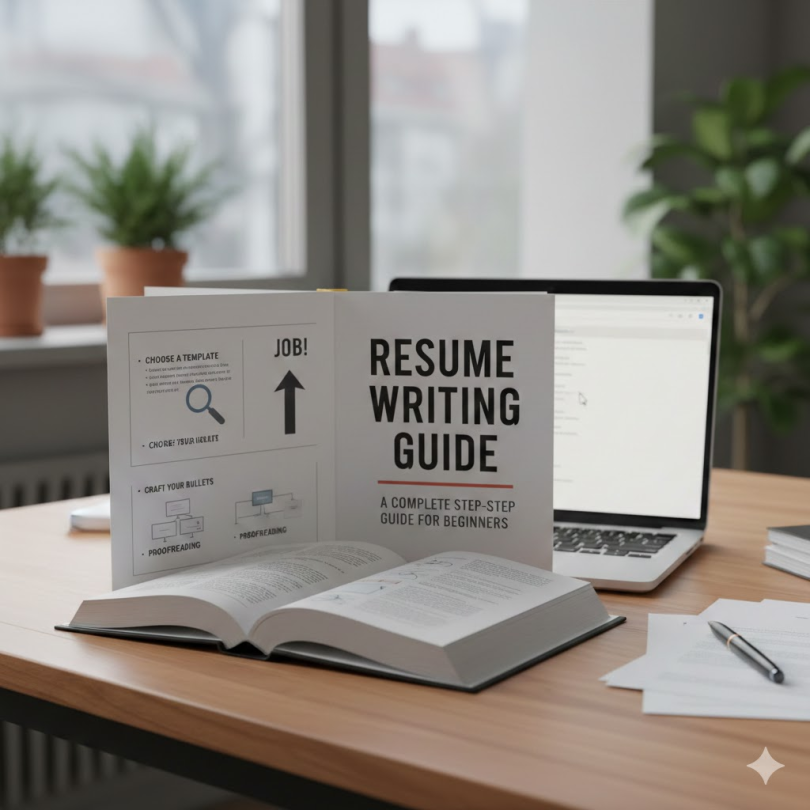
A resume writing guide is a detailed set of instructions that helps you create a professional resume. It explains what information to include, how to structure it, and how to present your achievements effectively.
A resume is a short document, usually one or two pages, that summarizes your:
- Work experience
- Education
- Skills
- Certifications
- Achievements
The purpose of a resume is simple. It shows employers why you are a good fit for the job. A resume writing guide helps you avoid confusion and ensures that your resume looks clear, organized, and professional.
There are different types of resumes, including:
- Chronological resume – Focuses on work experience in order.
- Functional resume – Focuses on skills rather than work history.
- Combination resume – Mixes both skills and experience.
This guide will mainly focus on the most commonly used format, which is the chronological resume. However, the principles apply to all formats.
Why is Resume Writing Guide Important?
A resume writing guide is important because many people struggle with presenting themselves properly. Even talented individuals lose opportunities because their resumes are unclear or poorly structured.
Here are a few reasons why this guide matters:
First, employers receive hundreds of applications for a single job. They often spend less than 10 seconds scanning a resume. If your resume is not clear and well-organized, it may be ignored.
Second, a good resume highlights achievements, not just responsibilities. Instead of saying “Worked as a sales assistant,” you should show results like “Increased monthly sales by 20%.”
Third, many companies use Applicant Tracking Systems (ATS) to scan resumes. A resume writing guide helps you include the right keywords and formatting so your resume passes these systems.
Finally, a strong resume builds confidence. When you know your document is professional and well-prepared, you feel more confident during interviews.
Detailed Step-by-Step Guide
Step 1: Choose the Right Format
Before writing, decide on the format that suits your experience.
- If you have consistent work experience, choose a chronological format.
- If you are a fresh graduate, focus more on education and skills.
- If you are changing careers, highlight transferable skills.
Keep your layout simple. Use clear headings and consistent font styles. Avoid fancy designs unless you are applying for creative roles.
Step 2: Add Your Contact Information
Your contact details should appear at the top of your resume.
Include:
- Full name
- Phone number
- Professional email address
- City and country
- LinkedIn profile (optional)
Make sure your email looks professional. Avoid nicknames or informal addresses.
Step 3: Write a Strong Professional Summary
The professional summary is a short paragraph at the top of your resume. It explains who you are and what you offer.
Example:
“Motivated marketing graduate with strong communication skills and hands-on internship experience. Skilled in social media management and content creation. Seeking an entry-level marketing position to contribute to brand growth.”
Keep it short, around 3–4 lines. Tailor it to the job you are applying for.
Step 4: List Your Work Experience
This is the most important section in most resumes.
For each job, include:
- Job title
- Company name
- Location
- Dates of employment
- Key achievements
Use bullet points for clarity. Start each point with an action verb.
Instead of writing:
“Responsible for managing social media.”
Write:
“Managed social media accounts and increased engagement by 30% within six months.”
Numbers make your resume stronger and more believable.
Step 5: Add Your Education
Include:
- Degree name
- Institution name
- Graduation year
If you are a student or fresh graduate, you can also add:
- Relevant coursework
- Academic projects
- Honors or awards
If you have many years of work experience, keep this section short.
Step 6: Highlight Your Skills
Your skills section should include both hard and soft skills.
Hard skills are technical abilities, such as:
- Microsoft Excel
- Graphic design
- Data analysis
- Programming
Soft skills are personal qualities, such as:
- Communication
- Teamwork
- Problem-solving
- Time management
Choose skills that match the job description. Do not list skills you do not actually have.
Step 7: Add Certifications and Additional Sections
Depending on your background, you can include:
- Certifications
- Volunteer work
- Languages
- Projects
- Publications
Only include information that adds value to your application.
Step 8: Keep It Clear and Professional
Use:
- Simple fonts like Arial or Calibri
- Font size between 10 and 12
- Clear section headings
- White space for readability
Avoid:
- Long paragraphs
- Too many colors
- Personal information like religion or marital status
A resume writing guide always recommends clarity over decoration.
Benefits of Resume Writing Guide
Using a resume writing guide offers several advantages:
- Helps you organize your information clearly
- Improves your chances of getting interviews
- Makes your resume ATS-friendly
- Highlights achievements instead of duties
- Reduces common writing mistakes
- Saves time during job applications
- Increases confidence during interviews
When you follow structured steps, your resume becomes more focused and professional.
Disadvantages / Risks
Although a resume writing guide is helpful, there are a few risks if not used properly:
- Overloading your resume with too much information
- Copying examples without customizing them
- Using generic statements that lack impact
- Ignoring the job description
- Making the resume too long
Remember, the guide is a framework. You must personalize your resume according to your career goals.
Common Mistakes to Avoid
Many job seekers repeat the same errors. Avoid these mistakes:
- Spelling and grammar errors
Always proofread your resume carefully. Even small errors can create a negative impression. - Using one resume for all jobs
Customize your resume for each position. Match keywords from the job description. - Writing long paragraphs
Recruiters prefer short bullet points. - Including irrelevant details
Do not add outdated or unrelated experience. - Exaggerating information
Be honest. Employers can verify your claims. - Poor formatting
Inconsistent fonts and spacing make your resume look unprofessional.
Following a resume writing guide helps you avoid these common problems.
FAQs
1. How long should a resume be?
For beginners and professionals with less than 10 years of experience, one page is ideal. If you have extensive experience, two pages are acceptable. Keep it concise and relevant.
2. Should I include a photo on my resume?
In most countries, photos are not required unless specified. Focus on your skills and experience instead.
3. What is the difference between a resume and a CV?
A resume is shorter and tailored to specific jobs. A CV is more detailed and often used for academic or research positions.
4. How often should I update my resume?
Update your resume whenever you gain new skills, complete a course, or change jobs. Regular updates save time when applying for new roles.
5. Can I use the same resume for different jobs?
It is better to customize your resume for each job. Adjust your summary and skills to match the job description.
6. What if I have no work experience?
Focus on:
- Academic projects
- Internships
- Volunteer work
- Skills
- Certifications
Employers understand that beginners are still building experience.
7. How do I make my resume stand out?
Use measurable achievements, strong action verbs, and a clear layout. Keep your resume professional and easy to read.
Expert Tips & Bonus Points
Here are some expert tips to improve your resume:
First, use action verbs such as:
- Achieved
- Developed
- Improved
- Led
- Designed
Second, focus on results. Employers care about impact.
Third, match keywords from the job description. Many companies use ATS systems to filter resumes.
Fourth, save your resume as a PDF unless the employer requests another format.
Fifth, ask someone to review your resume. A second opinion can catch mistakes you might miss.
Finally, keep learning. Improve your skills regularly and update your resume accordingly.
A resume writing guide is not just about formatting. It is about presenting your professional story clearly and confidently.
Conclusion
Creating a strong resume does not have to be complicated. With the help of a clear resume writing guide, you can organize your information, highlight your strengths, and present yourself professionally. The key is to stay focused on what matters most to employers.
Remember, your resume is your personal marketing tool. It should show your achievements, skills, and potential in a simple and clear way. Avoid unnecessary details and focus on measurable results.
Throughout this guide, you have learned what a resume is, why it is important, and how to build one step by step. You also explored common mistakes, benefits, risks, and expert tips. Now, you are better prepared to create a resume that stands out.
Take your time, customize your document for each job, and keep improving it as you grow professionally. A well-written resume can open new doors and move you closer to your career goals. With consistent effort and the right approach, your resume will become a powerful tool in your job search journey.