

Introduction
In today’s fast-moving digital world, learning is no longer limited to classrooms and textbooks. E-learning platforms have completely changed how people gain knowledge, build skills, and grow their careers. Whether you are a student, working professional, entrepreneur, or someone who simply loves learning new things, these platforms make education accessible from anywhere.
E-learning platforms allow users to study online through structured courses, video lessons, quizzes, and interactive tools. You can learn programming, marketing, graphic design, business management, languages, and much more without leaving your home. All you need is an internet connection and a device.
Over the last decade, the popularity of e-learning platforms has increased rapidly. Schools, universities, and companies now use them for training and education. Even individuals prefer online learning because it offers flexibility and affordability.
In this detailed guide, you will understand what e-learning platforms are, why they matter, how to use them step by step, their benefits and disadvantages, common mistakes to avoid, and expert tips to succeed. Whether you are just starting or already exploring online education, this article will help you make smart decisions.
What is E-Learning Platforms?
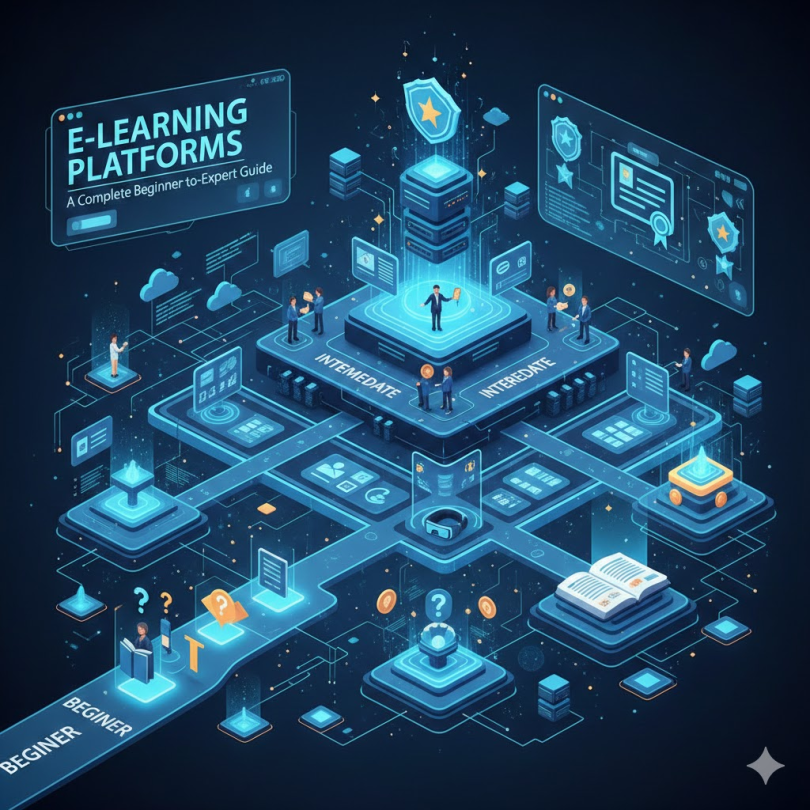
E-learning platforms are online systems or websites that provide digital education and training programs. These platforms deliver lessons through videos, live sessions, recorded lectures, assignments, and interactive activities.
Simply put, they are virtual classrooms available on the internet.
Unlike traditional education, where students must attend physical classes, e-learning platforms allow learning anytime and anywhere. Students can pause lessons, rewatch content, and study at their own speed.
There are different types of e-learning platforms:
- Course Marketplaces – Platforms where instructors upload courses and students purchase them.
- University-Based Platforms – Online programs offered by universities and colleges.
- Corporate Training Platforms – Used by companies to train employees.
- Skill-Based Learning Platforms – Focused on practical skills like coding, design, and marketing.
These platforms usually include:
- Video lectures
- Downloadable resources
- Practice tests
- Certificates of completion
- Discussion forums
Because of their flexibility and wide range of subjects, e-learning platforms are now one of the most powerful tools for modern education.
Why is E-Learning Platforms Important?
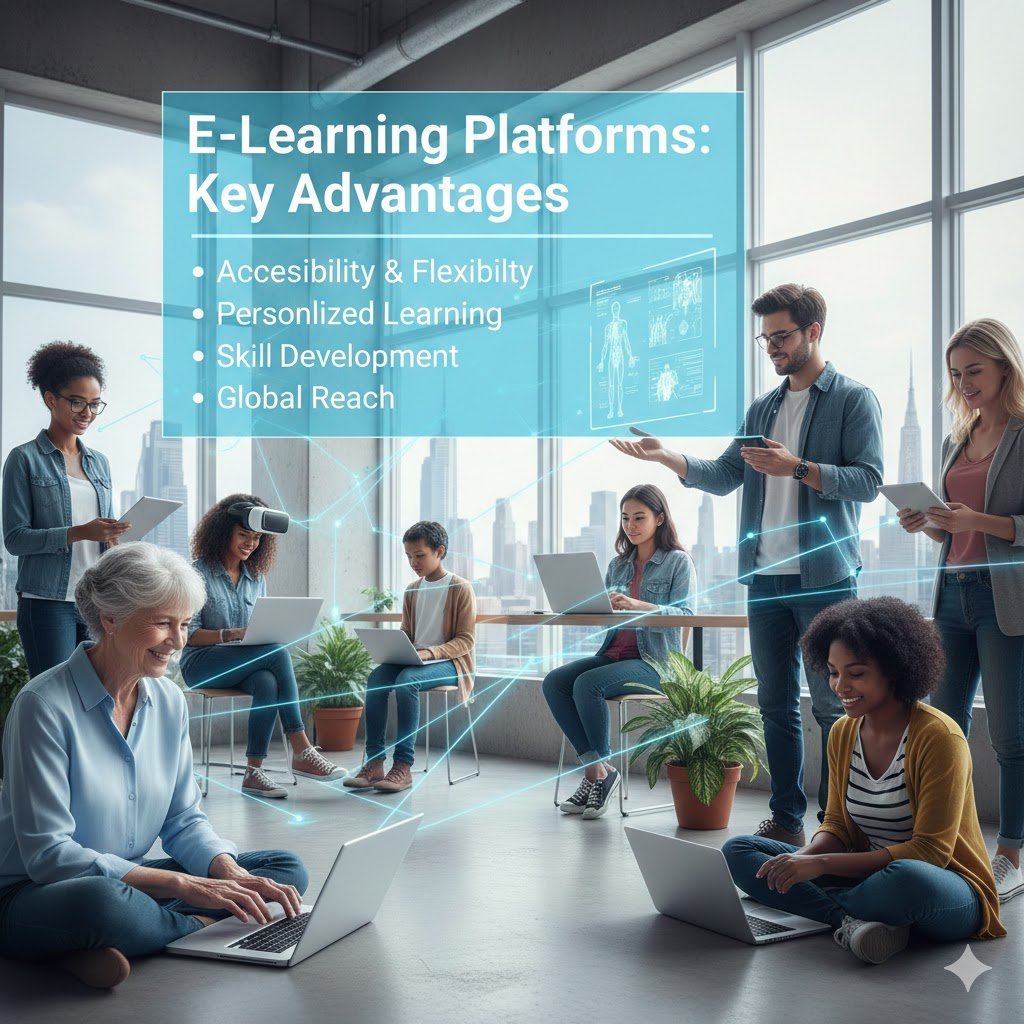
The importance of e-learning platforms continues to grow every year. Education is no longer limited by geography, time, or cost.
Here are some reasons why they matter:
First, accessibility. People living in remote areas can access world-class education without traveling. This reduces educational inequality.
Second, flexibility. Working professionals can study after office hours. Students can learn at their own pace.
Third, affordability. Many online courses are cheaper than traditional college programs. Some are even free.
Fourth, career growth. Online certifications help individuals upgrade skills and stay competitive in the job market.
Fifth, fast skill development. Instead of spending years in formal education, learners can acquire specific skills within weeks or months.
Finally, businesses use e-learning platforms for employee training. This improves productivity and reduces training costs.
Because of these advantages, online education has become a powerful alternative to traditional learning systems.
Detailed Step-by-Step Guide
Step 1: Identify Your Learning Goal
Before choosing any platform, define your goal clearly.
Ask yourself:
- Do I want to learn a new skill?
- Am I preparing for a job?
- Do I need certification?
- Is this for personal growth?
Clear goals help you choose the right course and avoid wasting time.
Step 2: Choose the Right Platform
Not all e-learning platforms are the same. Some focus on academic subjects, while others specialize in technical skills.
When selecting a platform, consider:
- Course quality
- Instructor experience
- Student reviews
- Pricing
- Certification value
Take your time to compare options before enrolling.
Step 3: Create an Account
Most platforms require registration. The process usually includes:
- Entering your email
- Creating a password
- Verifying your account
Some platforms allow social media login for faster access.
Step 4: Enroll in a Course
Once registered, search for your desired course.
Check:
- Course outline
- Duration
- Level (beginner, intermediate, advanced)
- Ratings and feedback
After reviewing details, enroll and start learning.
Step 5: Set a Study Schedule
Consistency is key to success in online learning.
Create a weekly study plan. For example:
- 1 hour daily after work
- 3 hours on weekends
Avoid long breaks between lessons.
Step 6: Actively Participate
Do not just watch videos.
- Take notes
- Complete quizzes
- Join discussions
- Ask questions
Active participation improves retention.
Step 7: Complete Assignments and Projects
Practical assignments help you apply knowledge.
For example:
- Coding a small app
- Designing a logo
- Writing a marketing plan
Hands-on work builds real skills.
Step 8: Take Exams and Get Certification
Many e-learning platforms offer certificates after course completion.
Certificates can:
- Strengthen your resume
- Improve job prospects
- Showcase expertise
Make sure to download and save your certificate.
Step 9: Apply What You Learn
Learning without action has little value.
Apply your new skills in:
- Freelancing
- Personal projects
- Workplace tasks
- Internships
Real-world practice increases confidence.
Benefits of E-Learning Platforms
E-learning platforms offer many advantages:
- Flexible learning schedule
- Learn from anywhere
- Affordable compared to traditional education
- Wide range of subjects
- Self-paced learning
- Access to global instructors
- Recorded lessons for revision
- Career-oriented certifications
- Improved digital skills
- Time-saving and convenient
These benefits make online education attractive for millions of learners worldwide.
Disadvantages / Risks
Despite many advantages, there are some drawbacks:
- Lack of face-to-face interaction
- Requires strong self-discipline
- Internet dependency
- Screen fatigue
- Some courses lack quality
- Limited networking opportunities
- Technical issues may interrupt learning
Being aware of these risks helps you manage them effectively.
Common Mistakes to Avoid
Many learners fail because of simple mistakes.
First, enrolling in too many courses at once. This leads to confusion and incomplete learning.
Second, ignoring reviews before buying a course.
Third, not setting a study schedule.
Fourth, skipping assignments and practical tasks.
Fifth, depending only on certificates without building real skills.
Sixth, giving up too early.
Avoiding these mistakes increases your chances of success.
FAQs
1. Are e-learning platforms better than traditional education?
E-learning platforms are flexible and affordable, but they cannot fully replace traditional education. They work best for skill development and continuous learning.
2. Do employers accept online certificates?
Many employers value certificates from recognized platforms, especially if combined with practical skills and experience.
3. Can beginners use e-learning platforms?
Yes. Most platforms offer beginner-friendly courses with step-by-step instructions.
4. How much do online courses cost?
Prices vary. Some courses are free, while others may cost from a small fee to higher premium pricing depending on content quality.
5. Do I need technical skills to start?
Basic computer knowledge is enough. Most platforms are easy to use.
6. How long does it take to complete a course?
Course duration depends on the topic. Some take a few hours, others several months.
Expert Tips & Bonus Points
To get the most from e-learning platforms, follow these expert tips:
- Focus on one course at a time.
- Take handwritten notes for better memory.
- Join online communities related to your course.
- Practice daily, even if for a short time.
- Track your progress weekly.
- Update your resume with new skills.
- Build a portfolio to showcase your work.
- Stay consistent even when motivation drops.
Consistency matters more than speed.
Also, choose courses that match industry demand. Skills like digital marketing, programming, data analysis, and graphic design often have strong career potential.
Conclusion
E-learning platforms have transformed the way people learn in the modern world. They provide flexibility, affordability, and access to global knowledge. Whether you want to upgrade your skills, change careers, or explore new interests, online learning makes it possible.
However, success depends on discipline and smart choices. Selecting the right platform, setting a study schedule, actively participating, and applying knowledge in real life are essential steps. While there are some risks like lack of interaction and distractions, these can be managed with proper planning.
The future of education is clearly digital. More institutions and companies are adopting online systems. Therefore, understanding how to use e-learning platforms effectively is no longer optional—it is necessary.
